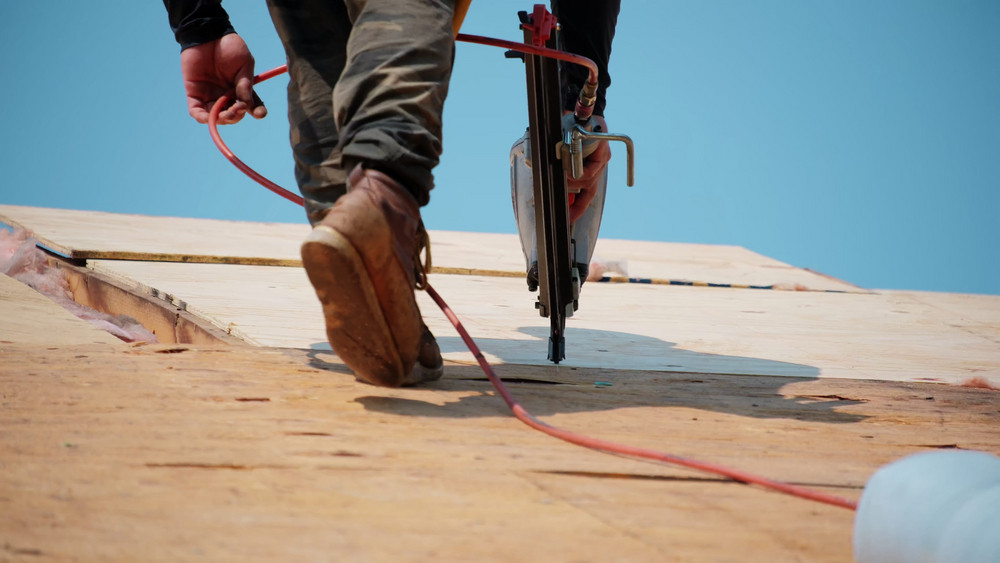
Preparing your commercial facility for freezing temperatures, heavy snow accumulation, and ice dams requires proactive planning to avoid costly operational disruptions. A warehouse roof endures constant exposure to the elements, and small structural vulnerabilities can quickly turn into major emergencies once winter weather sets in. Scheduling timely evaluations and addressing subtle roof defects today ensures your building, equipment, and inventory stay completely protected throughout the upcoming winter months.
Spotting Standing Water and Slow Drainage Across Low-Slope Surfaces
Standing water, often referred to as ponding, is one of the clearest signs that your warehouse roof drainage requires immediate care. Flat and low-slope industrial roofing systems are engineered with slight gradients and internal drains to channel runoff away before it collects. If you notice pools of water that remain standing forty-eight hours after a storm, your roof may have sagging insulation boards, clogged scuppers, or depressed decking. In the winter months, stagnant water poses an aggressive risk to your operations because water expands as it freezes.
Trapped pools turn into heavy blocks of ice, adding massive physical stress to the roof deck and compromising the integrity of the underlying insulation. Over several freeze and thaw cycles, this ice can wedge open tiny gaps in the membrane and force moisture into the interior spaces of your warehouse. Qualified commercial roofing services can assess the slope, clear drainage avenues, and reinforce localized low points. Addressing these issues before freezing temperatures arrive prevents structural deflection and safeguards your inventory from sudden roof leaks under heavy snow loads. By partnering with specialists who understand low-slope engineering, you protect your building investment against harsh winter weather.
Identifying Surface Cracks and Seam Failures in Single-Ply Membranes
Single-ply roofing membranes such as TPO, EPDM, and PVC provide dependable barriers against precipitation, but thermal fluctuations can degrade their seams over time. TPO roofing provides energy-efficient protection against ultraviolet rays, EPDM roofing offers excellent elasticity in freezing conditions, and PVC roofing delivers outstanding strength and chemical resistance. Even with these durable properties, age, sun exposure, and temperature shifts can cause membranes to shrink, pull away from walls, or develop brittle surface fissures.
According to ConsumerAffairs, the market size of the global roofing materials industry is expected to reach nearly $134.1 billion in 2024. As facility owners invest in high-grade materials, preserving their condition through routine assessments is essential for long-term return on investment. Inspecting roof seams before snowfall covers them is critical because winter winds and ice can easily penetrate an open splice. Once cold air and freezing water get underneath the membrane, the bond between the substrate and the outer sheet breaks down rapidly. Engaging trusted commercial roofing services to inspect heat-welded seams, check adhesive bonds, and patch minor cracks guarantees that your single-ply system performs as intended throughout the cold season.
Detecting Loose Fasteners and Movement Along Metal Roof Panels
Exposed fastener metal roofing systems are popular for commercial facilities due to their structural durability and low maintenance requirements. However, the metal panels constantly expand in hot weather and contract in cold weather. Over time, this natural thermal movement causes screws and fasteners to back out of their original positions. When a fastener loosens, the neoprene washer beneath it degrades or lifts off the metal surface, creating an unsealed entry point for water.
If snow accumulates over unseated fasteners, melting snow can seep directly through the screw holes and reach the building deck and ceiling insulation. In addition, loose fasteners reduce the wind uplift resistance of your metal roof panels. High winter winds can catch loose panel edges and cause structural tearing or complete panel dislodgement. Experienced commercial roofing services can perform comprehensive fastener audits across your metal roof, replacing deteriorated washers, retightening backed-out screws, and securing panel laps. Taking these preventative steps before winter storms strike ensures that your exposed fastener metal roof remains watertight, structurally stable, and fully prepared to support substantial seasonal snow loads.
Noticing Loose or Separated Commercial Perimeter Edge Metal
The edge metal installed around the perimeter of your warehouse roof serves as the first line of defense against high winds and wind-driven moisture. Commercial edge metal secures the membrane termination points, caps parapet walls, and directs water into gutters or downspouts. When edge metal becomes loose, bent, or unsealed, your roof perimeter becomes vulnerable to catastrophic failure.
Winter brings harsh gusts that can catch underneath compromised edge metal, lifting the flashing and peeling the roof membrane away from the roof deck. Water that runs off the roof can also slip behind detached edge metal and freeze, creating ice dams that pry joints further apart. Facility managers should routinely review the perimeter of the building from both the ground and the roof line to verify that all metal trims are securely fastened and cleanly aligned. Professional commercial roofing services can reinforce loose fascias, reseal edge joints, and replace bent sections with custom fabricated metal components. Keeping your commercial edge metal tightly secured protects your roof membrane from wind uplift and prevents water infiltration around the entire perimeter of your warehouse.
Discovering Water Infiltration and Staining Inside Your Warehouse
Interior warning signs are often the most urgent indicators that your warehouse roof has sustained damage that demands immediate remediation. Water stains on ceiling decking, damp insulation hanging in rafters, or puddles forming on your concrete warehouse floor indicate that moisture has already bypassed your exterior roof barrier. In facilities with partial steep-slope designs or administrative offices that utilize commercial shingling, damaged or missing shingles can also introduce internal leaks that travel along structural beams before dripping onto the warehouse floor.
Ignoring these warning signs during autumn can lead to severe consequences during winter. Once snow piles up on the roof, locating and patching active leaks becomes significantly more complex and hazardous. Damp insulation loses its thermal resistance, driving up heating costs and forcing your mechanical systems to work overtime. Water entering your building can also damage stored products, ruin electronic inventory management equipment, and create slip hazards for your staff. Booking professional commercial roofing services for prompt leak repair allows technicians to track the leak source to its origin, dry out localized moisture pockets, and install durable patches before sub-zero temperatures arrive.
Postponing Scheduled Preventative Maintenance and Routine Inspections
Operating a warehouse without an ongoing preventative maintenance schedule is one of the most common oversights facility owners make before the cold season. Roofing systems endure heavy physical wear from seasonal storms, airborne debris, rooftop foot traffic, and heating equipment servicing throughout the entire year. When routine evaluations are skipped, minor flaws such as clogged drains, degraded sealants around pipe boots, and small surface punctures remain unnoticed until winter freezes turn them into active roof failures.
Preventative maintenance is designed to identify and fix these micro-problems while repairs are straightforward, cost-effective, and weather-appropriate. Winter weather severely limits the types of adhesives, coatings, and sealants that technicians can apply effectively, making late-season emergency interventions far more disruptive to your operations.
Taking proactive steps to inspect and maintain your warehouse roof today prevents costly emergency repairs and protects your daily business operations throughout winter. Investing in experienced commercial roofing services gives you peace of mind that your roof membrane, edge metal, and drainage systems can endure heavy snow and ice. Contact the dependable team at Sentry Roofing today.

